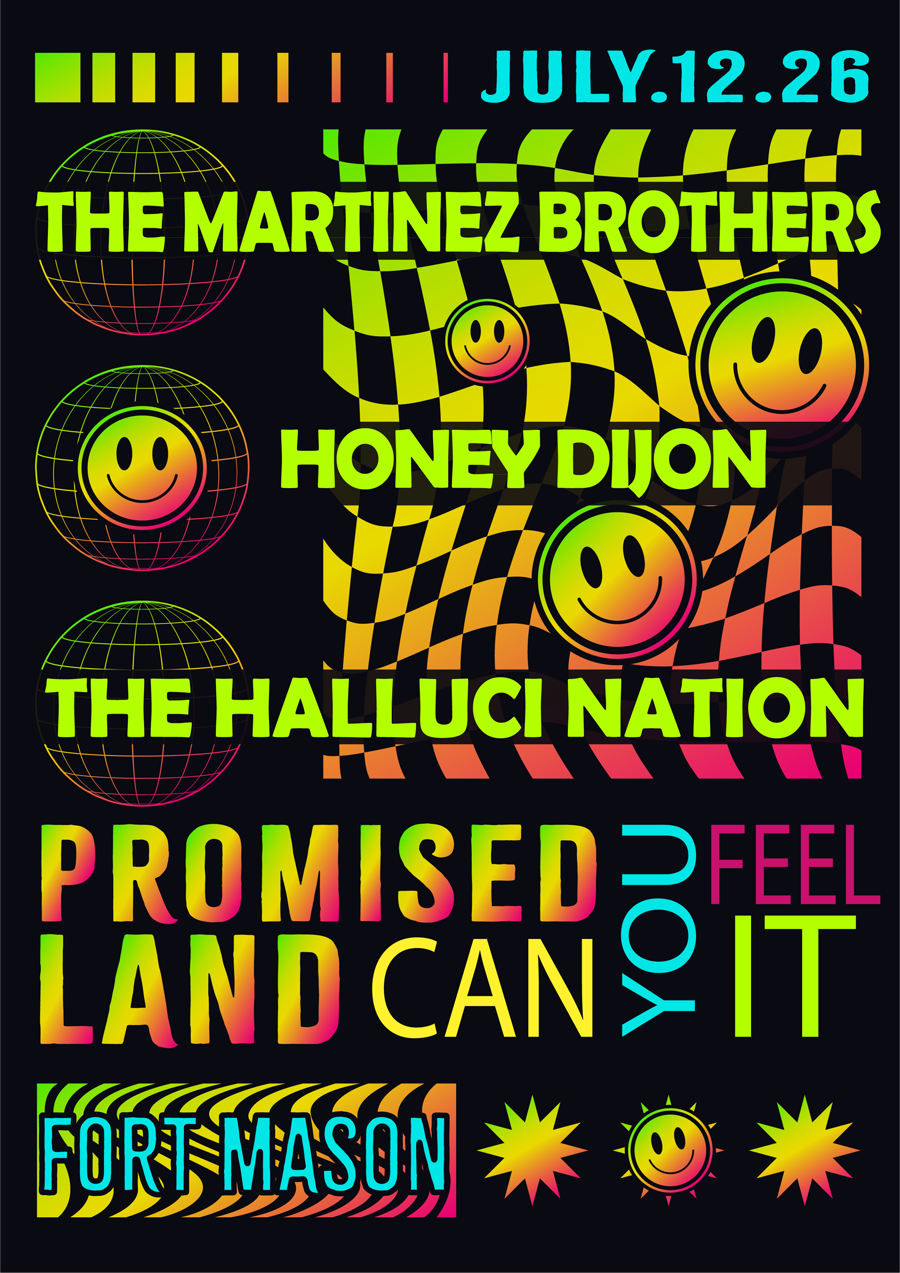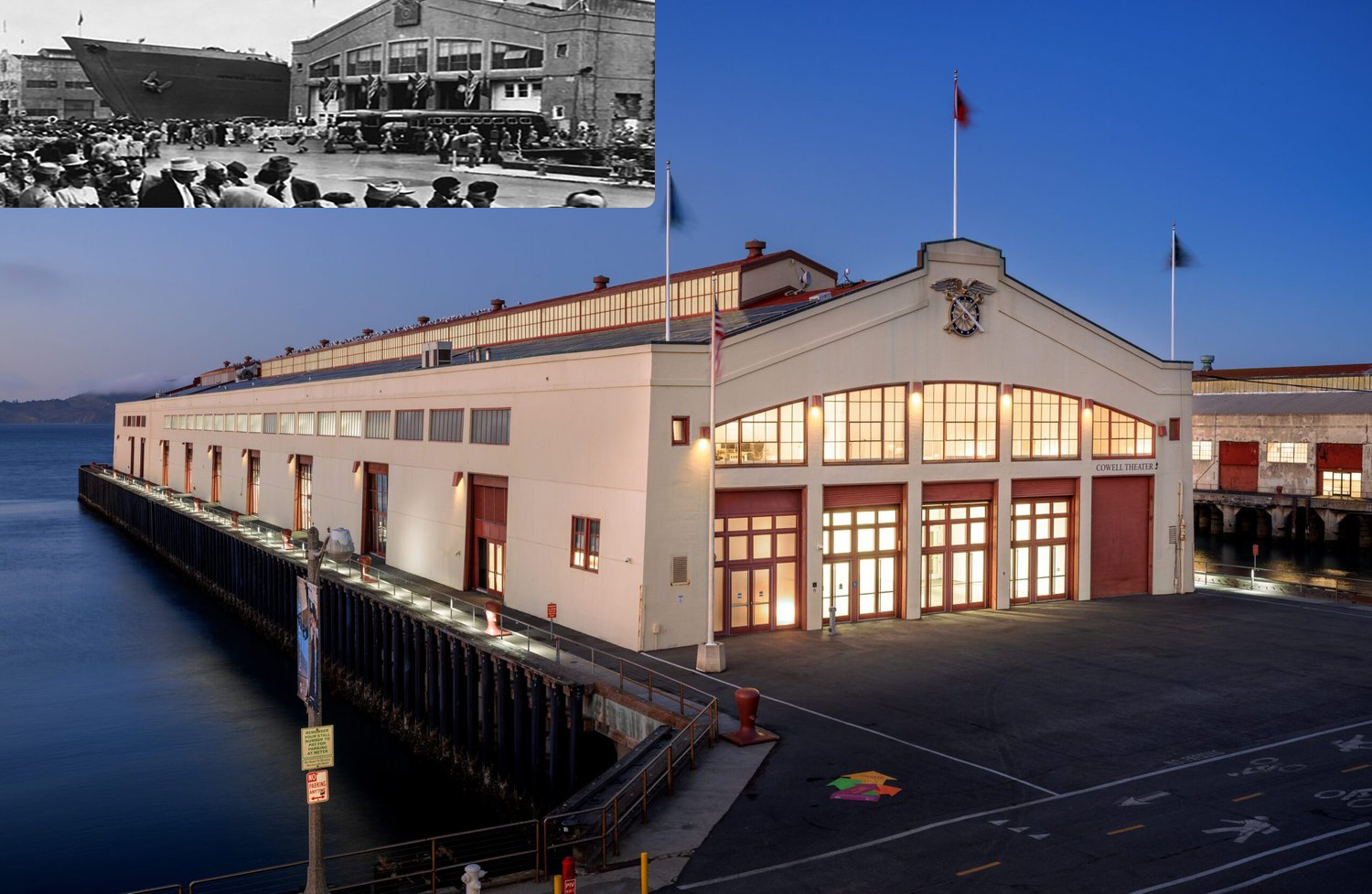
Day Festival - Main Stage
Fort Mason Center
San Francisco, CA - with American Indian Cultural District
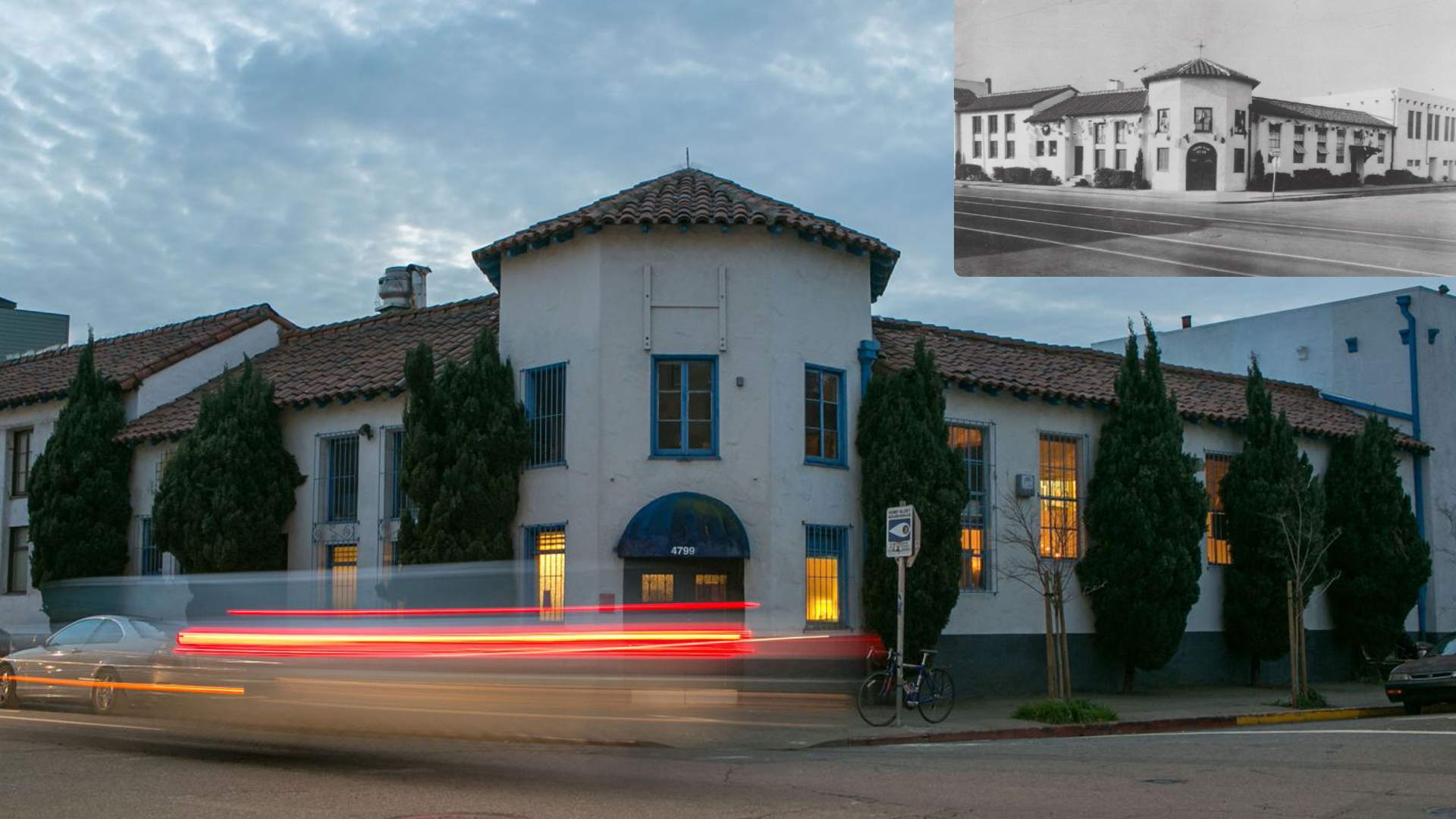
Afterparty - with CALLI Collective
The Omni
North Oakland, CA
01
Music 26AC - Festival Proposal
Can You Feel It?
July 12, 2026 On July 12, 1979, a Chicago radio DJ blew up a crate of disco records at Comiskey Park between games - "Disco Demolition Night," a promotion now widely understood as backlash against the Black, queer, and Latino communities behind disco. This date reclaims it. Read more →
Fort Mason Center, San Francisco + The Omni, Oakland
Named for Joe Smooth, "Promised Land"Joe Smooth's 1987 house anthem preaches unity through the dancefloor's gospel roots - one of the genre's most enduring statements of collective hope. Read more → (1987), and Mr. Fingers, "Can you feel it (Chuck D. Mix)"Larry Heard's (Mr. Fingers) 1988 house classic, later reissued with a Chuck D spoken-word intro - among the most sampled and covered tracks in house history. Read more → (1988)
"We need to get back to that feeling – house is a feeling… The new generation is hungry for meaning, and this music has always been the soundtrack to real life."
- Joe Smooth
DJ Mag
Tap to enlarge
02
The Argument
American capitalism extracts value from communities of color, queer communities, and women -
- while simultaneously deploying racial formation and the formal/substantive citizenship gap.
Omi & Winant: racial formation. Takaki: formalFormal is what's on paper./substantiveSubstantive is what happens in practice. gap. Anderson & Collins: intersectionality explains why this isn't just a racial axis - it is only with intersectionality that we can reveal the structures of domination and enact change. These structures interlock - race, class, gender, and sexuality reinforcing each other rather than stacking as separate hierarchies.
House is the case study: origin, extraction, and erasure across race, sexuality, and gender - within a few decades, in visible ways. Electronic music is itself an affective alliance.
"(The Warehouse) was described as church on many occasions. It was a very spiritual experience, but it wasn't a religious experience. It was more of a spiritual one. … People, throughout the course of the night, from the music I was playing, people would run a whole gamut of emotions, from being very happy to very sad and crying. Everything."
- Frankie Knuckles
WTTW News, 2024
Day Festival - Main Stage
San Francisco, CA - with American Indian Cultural District
Afterparty - with CALLI Collective
North Oakland, CA
03
The Venues as Argument
Day Festival - Main Stage
San Francisco, CA
Afterparty - with CALLI Collective
North Oakland, CA
The two-venue structure represents continuity and pays homage to house's club origins. Both venues are community owned and operated, offering a huge variety of cultural programming and opportunities to engage.
04
The Lineup as Argument
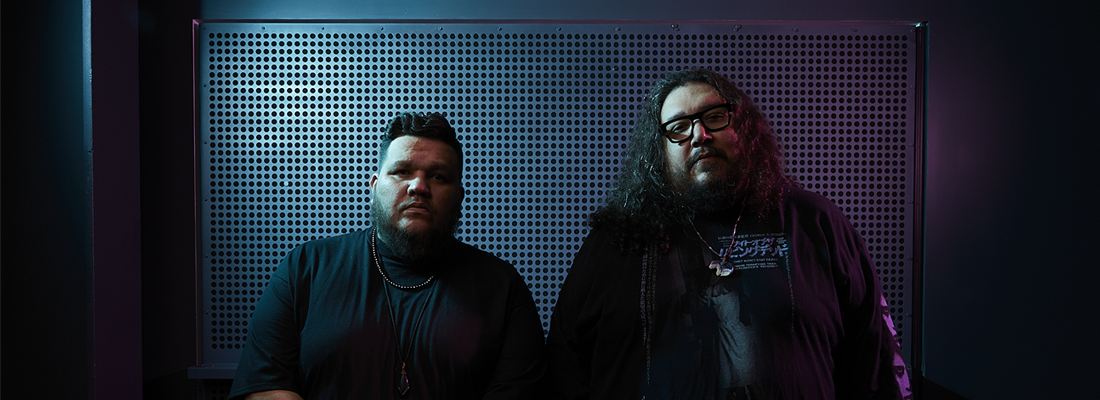
Day Festival - Opening
Indigenous Electronic / Powwow Step
Before house. Before techno. Indigenous music on this continent predates American music's history - Takaki's argument made literal: contesting the legitimacy of the border itself, not asserting citizenship from within it.
CBC Music Festival

Day Festival - Middle Set
Chicago House
Black and queer, born into house music's originating community - placed at the center of the argument, not appended to it. Andersen and Collins's matrix of domination explains why house and its clubs were both a necessary site of intersectionality and vulnerable to hegemonic extraction.
Interview on Sugar Mountain Boiler Room Set

Day Festival - Headline
Deep House / Techno
Latino communities built New York's underground dance scene and were written out of its canonical histories - Omi and Winant's racial formation in both directions: first as a community extracted from, then as powerful, conscious reclaimers.
Órbita | ReFrame Studios, LA
Afterparty - The Omni
Chicago House
Black and queer, born into house music's originating community - placed at the center of the argument, not appended to it. Andersen and Collins's matrix of domination explains why house and its clubs were both a necessary site of intersectionality and vulnerable to hegemonic extraction.
Clip - play in class
More clips (optional)
"People have kind of forgotten, or never knew, that house music started here in America… I've had Europeans ask me, 'So, I know dance music started in Europe… how do you feel you fit in?' And I'm like, 'Excuse me? Wait a minute. It didn't start there. It started here.' When I found the club scene… I felt like I'd found my tribe."
- Crystal Waters
Paper Magazine
Black women built this music as named artists - not voice samples. "Gypsy Woman" crossed over; the community it came from did not.
Clip - play in class
05
The Case
The festival doesn't just illustrate the argument.
It is the argument.
Every community. Three artists. Two venues. One night.
The Promised Land: Can You Feel It?
The vibrant culture of Electric Daisy Carnival represented by hundreds of flags
Honey Dijon